
Service area
Air conditioning and heating on Sea Island, GA
Sea Island is the harshest environment we work in: open Atlantic exposure on one side, marsh on the other, and many houses closed up for months at a time. That combination corrodes coils fast and grows mildew quietly. We maintain, repair, and replace here on a coastal schedule, with the price agreed first.
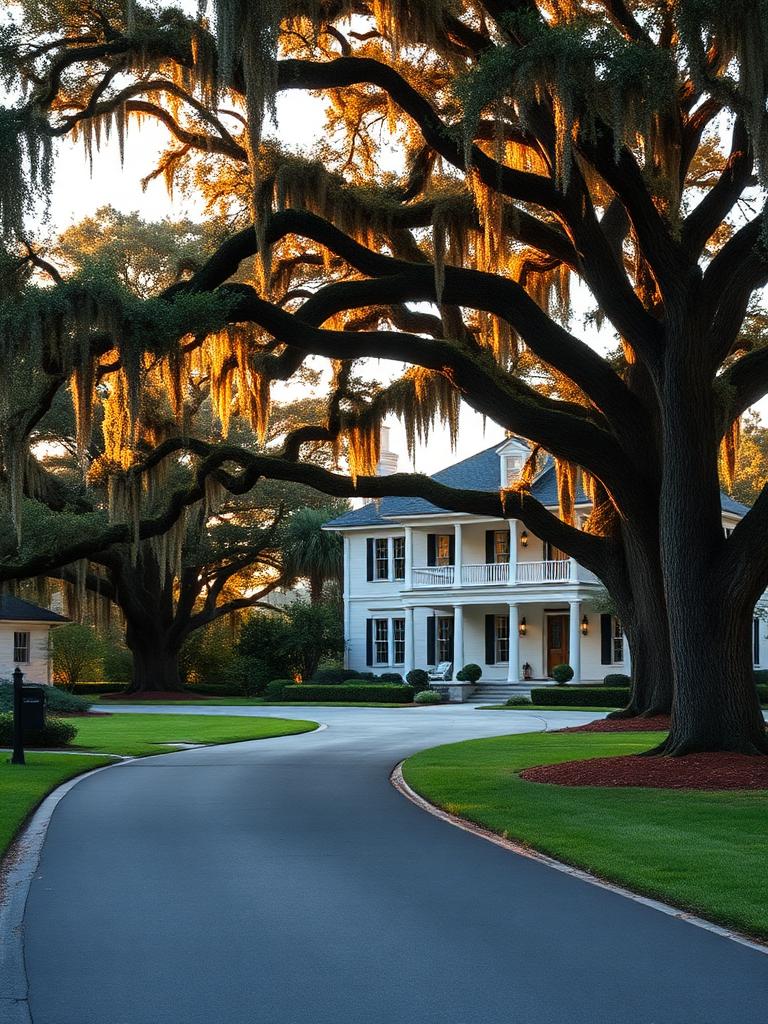
Salt air here is not a nuisance, it is the maintenance schedule
Ocean Road houses sit directly behind the dune line. Salt spray reaches those condensers every single day the wind is onshore, which along this stretch is most days. Chloride sets up galvanic corrosion between the aluminum fins and copper tubes, the fins turn to white powder, heat transfer collapses, and the compressor runs hot until it fails. We have pulled six-year-old condensers off Sea Island that looked like twenty-year-old units from Jesup.
So the interval is different from anything on the mainland. Brunswick equipment gets serviced twice a year. Oceanfront Sea Island units get a freshwater coil rinse every eight to ten weeks, four visits a year minimum, with a full inspection twice. Houses on the Black Banks and marsh side get quarterly. Nobody enjoys hearing that a rinse matters more than a refrigerant check, but on this island it is the truth.
On replacement we only quote coastal-rated equipment here: e-coated coils, coated cabinets, stainless fastener kits, and hail and debris guards where the unit is exposed. We also raise units on taller pads or stands where surge history justifies it, and we keep line sets and disconnects out of the direct spray line whenever the architecture allows.
Humidity load, closed-up houses, and correct sizing
Most of the trouble we fix on Sea Island happens when nobody is in the house. Coastal Georgia dew points sit in the mid-70s all summer; a house left at 78 degrees with a system that satisfies in six minutes will hold 65 to 70 percent indoor humidity and start growing mildew in closets, on leather, and behind furniture on the north wall.
The instinct is to run the thermostat colder. That makes it worse — you get cold, wet surfaces and condensation. What works is humidity-first control: a right-sized system, variable-speed blower, a whole-house dehumidifier tied into the return, and a humidistat holding 50 to 55 percent RH while the house is empty. That is the setup we install on nearly every seasonal home here.
Sizing follows a Manual J on the real house, not the tag on the old unit. Big glass on the ocean side, high ceilings, and generous porch depth all change the number, and shading from the dune line and oaks changes it again. Oversized equipment on this island is the direct cause of the musty-house complaint, and we would rather argue about tonnage now than deal with mildew in August.
Hurricane-season prep, including for owners who are away
Sea Island is a surge and salt-spray environment, so storm prep here goes further than strapping the unit down. Before a named storm: power off at the outdoor disconnect, clear everything within two feet of the condenser, verify hurricane straps and anchors to the pad, and secure or remove hail guards that can become projectiles.
Do not wrap or tarp the condenser. It holds salt moisture against the coil and does more damage over the week than the storm. If your unit is at grade on the ocean side, we will tell you honestly whether a raised stand is worth doing before the next season, because surge water in the cabinet is what ends units here.
For owners who are off-island, we do the walkthrough for you: shut down at the disconnect, photograph the unit, set the interior program to protect the house, and then reverse it afterward. After surge, if the cabinet took salt water it stays off until we have checked windings, contactor, and board and rinsed everything down with fresh water. Energizing a salt-soaked unit is how a repairable condenser becomes a replacement.
The housing stock
The older Sea Island cottages between the numbered streets are 1920s to 1950s stucco and frame, remodeled repeatedly, with ductwork threaded through spaces nobody designed for it. Those houses reward small, careful moves — sealing and re-routing duct, adding a return, and putting a dehumidifier in the loop — rather than a bigger condenser.
Ocean Road and the newer Sea Island Drive builds are large multi-system homes: two, three, sometimes four systems, zoned, with mechanical rooms and attic air handlers. On those we age the systems separately and replace them one at a time, which is usually the right call financially and lets us keep the house cool through the work.
The Black Banks and Rainbow Island side is marsh exposure rather than ocean spray — less chloride, more sustained damp, and crawlspaces that stay wet. Around the Cloister and the club properties we work to association access and appearance rules, coordinate with property managers, and keep crews and trucks out of the way. Whatever the address, we quote it in writing before the wrench comes out.
Streets and neighborhoods we run
- Sea Island Drive
- Ocean Road
- Twenty-Fifth Street cottages
- The Cloister area
- Black Banks River side
- Rainbow Island
- Nineteenth to Thirty-Sixth streets
- Sea Island Golf area
Where this is
Our shop is on Community Road in Brunswick. Sea Island, Georgia
Every hour without AC gets worse.
One call, a real person in Brunswick, a technician out today.